Мы продолжаем рубрику — Чтение 7 класс английский-4. Учим язык с интересными фактами со всего света. Итак, гриб, который съедает сам себя.
Содержание записи:
Чтение 7 класс английский-4. Гриб, который съедает сам себя-I

Do you like to eat mushrooms?
— What a yummy! – some of us will surely exclaim, looking at a plate of crispy pickled mushrooms. We would have potatoes, hot, still steaming, boiled with bay leaf,
in butter and sprinkled with fragrant dill!
But how many people, so many preferences! You can clarify: so many creatures in the world, so many preferences! There are people who enjoy eating mushrooms,
and there are mushrooms who… like to eat themselves.
By the way, people can also eat them. Only it is necessary to have time until the mushroom starts self-digestion, that is,
1-2 hours after its appearance from the soil. It grows like its ordinary relatives, called mushrooms, from the beginning of summer to autumn. And it is an avid family one — it likes to have a large number of them around.
Moreover, it can be found in the most accessible and unexpected places:
in fields, in vegetable gardens, along roads and even in landfills. But it doesn’t particularly prefer the forest area
and does not spread in the usual environment for mushrooms. This is also one of the unusual features of a natural creature called a Dung.
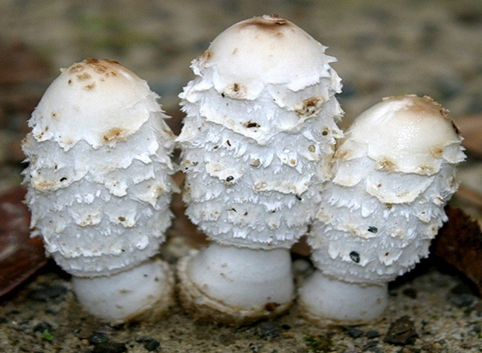
It appears into the world, like a mushroom – a shampignon [ˈʃɒmpɪnjɒŋ], very appetizing [ˈæpɪtaɪzɪŋ], elastic [ɪˈlæstɪk], making its way through the ground with a white hat. Such a fleshy, sturdy, curly-haired, like a youngster, with scales in different directions, it is very attractive.
Чтение 7 класс английский-4. Гриб, который съедает сам себя-II
And when you meet such a good fellow, it even crunches on the cut with a knife. It reaches 12-15 centimeters in height and up to 3-8 centimeters [ˈsentɪmiːtə] in diameter [daɪˈæmɪtə]. Then the tomboy grows up, becomes shy because of his nondescript appearance,
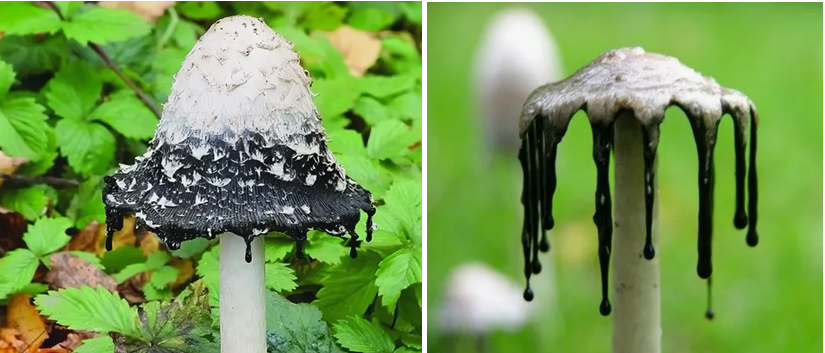
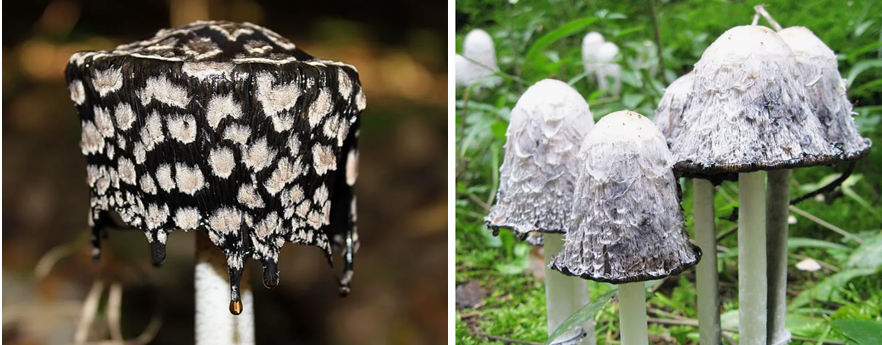
which no longer attracts mushroom pickers, and it turns pink. Some more fleeting time passes, its hat begins to darken and cry with black drops, similar to ink. Ultimately, only an ink puddle remains of the mushroom. Maybe that’s why it has the name «ink mushroom».
By the way, its properties were really used in ancient times as ink itself. The remains of Dung were added to ordinary ink, which was used to fasten important documents
and bills of exchange. When such ink dried, the mushroom left special stains, according to which their authenticity [ɔːθenˈtɪsɪtɪ] was revealed.
There is another uniqueness [juːˈniːknəs] of the mushroom. If you cook it and even under hot potatoes,
and with dill and parsley, if you sprinkle it with sour cream,
but forget about any alcohol [ˈælkəhɒl]. This mushroom is not only for legality [lɪˈgælɪtɪ] in the preparation of documents [ˈdɒkjʊmənt],
but also for a healthy lifestyle. It is easy for a person intoxicated [ɪnˈtɒksɪkeɪtɪd] to get poisoned with it, but it is completely safe for a sober person. This property has also been noticed and is successfully used in medicine [ˈmeds(ə)n] in the manufacture of anti-alcohol devices. Polysaccharides [pɒlɪˈsækəraɪd] have also been found in the fungus, which are capable of suppressing antitumor activity. Mushroom extracts have antifungal properties.
How does the name of the dish sound to you: Dung under sour cream? It seems not very, but the dish is very delicious and smells appetizing [ˈæpɪtaɪzɪŋ]!
Вопросы
1. What is the initial reaction some people have when they see a plate of crispy pickled mushrooms?
2. What side dish is suggested to go with the mushrooms in the text?
3. According to the text, what unusual idea is presented about mushrooms and eating?
4. How long after appearing from the soil must the mushroom be consumed to avoid self‑digestion?
5. During which seasons does the Dung mushroom grow? 6. In which places can the Dung mushroom be found? And where does it not particularly prefer to grow?
7. What are the physical characteristics of the young Dung mushroom when it first appears?
8. What size does the Dung mushroom typically reach in height and diameter?
9. What happens to the appearance of the Dung mushroom as it matures?
10. Why might the mushroom be called the “ink mushroom”?
11. How were the properties of the Dung mushroom used in ancient times?
12. How did the addition of Dung remains to ink help verify the authenticity [ɔːθenˈtɪsɪtɪ] of documents?
13. What warning is given about consuming the Dung mushroom alongside alcohol?
14. For whom is the Dung mushroom considered safe to eat, according to the text?
15. What medical applications of the Dung mushroom are mentioned (name at least two)?
16. Despite its unusual name, how is the dish “Dung under sour cream” described in terms of taste and smell?
Заключение
Итак, дорогие ученики! Мы с вами учим английский язык с занимательными фактами со всего света. И сегодня узнали про необычный гриб, который съедает самого себя. Если материал был полезен, подписывайтесь, чтобы не пропустить новый. Задавайте вопросы, если они у вас появились. А также смотрите английские идиомы про знание. Что повлияло на развитие английского языка? Интересные факты про английский. Восьмое чудо света.
Фразовые глаголы про путешествия. А также синонимы слова beautiful. Фразовые глаголы про путешествия.
Дополнительный материал
А также смотрите дополнительный материал: подготовка к ОГЭ — монологическое высказывание — Досуг подростков. Телевидение в нашей жизни. Место, где я живу. Поддерживать себя здоровым. Чтение книг. Про интернет. Хобби в нашей жизни. Про каникулы. Средства массовой информации. Про школу. Проблемы экологии. Про молодежь. Интернет в нашей жизни. Олимпийские игры. Наука в нашей жизни. Иностранные языки в нашей жизни. Загрязнение окружающей среды. Иностранные языки в нашей жизни. Про путешествия. Выбираем профессию. Здоровый образ жизни в еде. Про образование. Защита окружающей среды. Спорт в России. Друзья в нашей жизни. Интернет для подростков.
До встречи на следующем занятии! See you soon!