Мы продолжаем рубрику — чтение 8 класс английский-19. Читаем и узнаем интересные факты со всего мира. Итак, как развлекаются японцы?

Содержание записи:
Чтение 8 класс английский-19. Как развлекаются японцы-I
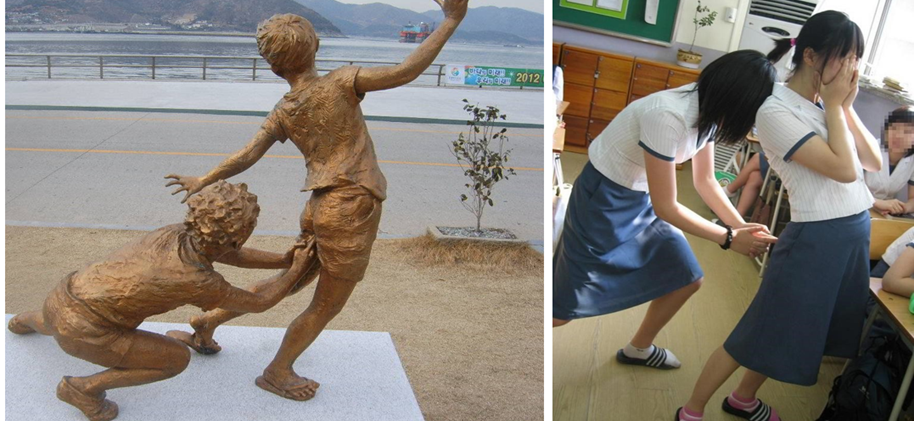
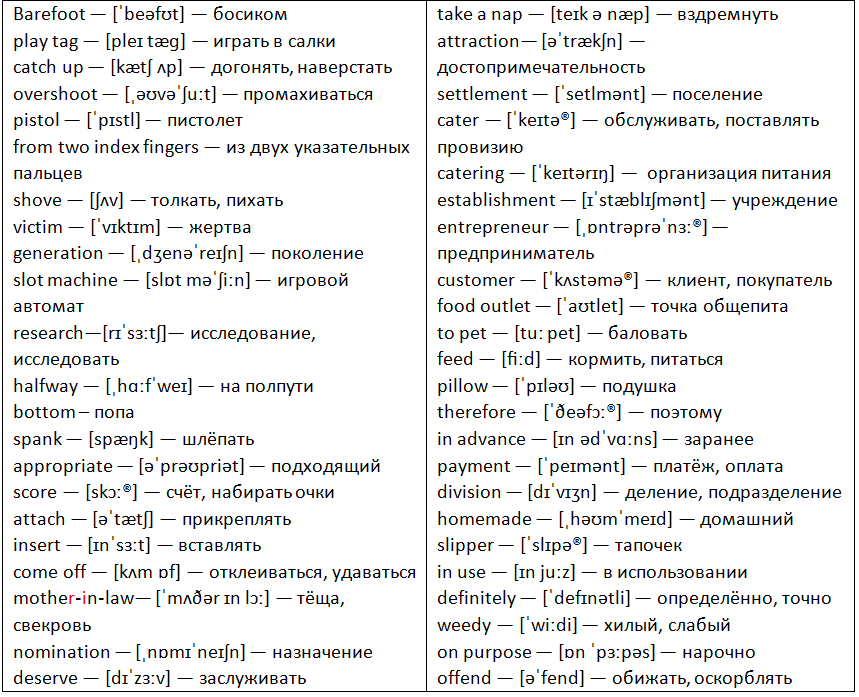
When barefoot kids rush around the yards and play tag, it’s quite understandable to us. To catch up and «overshoot», and then rush away yourself – it fits perfectly in our minds. But Japanese [ʤæpəˈniːz] children would find this game boring, they are more inventive and – in their opinion – more fun to play this game. The point of Conte is to run up and, having made something like a pistol from two index fingers, shove his victim into the very center of the fifth point. The Japanese believe that such fun brings the younger generation closer together.
One South Korean company seriously researched this topic and met Japan halfway by releasing Boong-Ga-Boong-Ga slot machines for those who did not get enough of the conte game in childhood. The plastic bottom was a special integral attribute of this machine. The player could vent his discontent or anger by spanking the machine on the appropriate part – so score a lot of points. And for those who did not have enough, a plastic [ˈplæstɪk] finger was attached, which was inserted exactly as in childhood, in the very center.
In order to «come off to the fullest», the player on the machine could choose the appropriate character: mother-in-law, father-in-law, boyfriend, ex-girlfriend or boss.
There is even a monument in honor of Conte’s game!
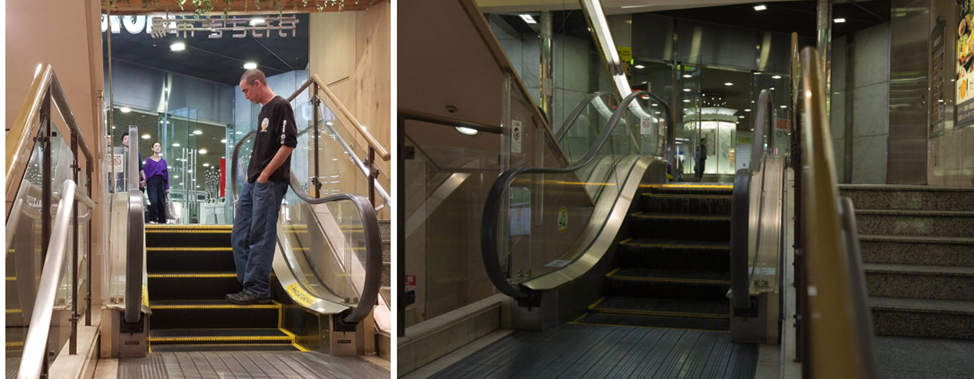
If there was a nomination «laziness above all» in the Guinness [ˈgɪnɪs] Book. Then this human creation would deserve it. In one of the hypermarkets [ˈhaɪpəmɑːkɪt] of the city of Kawasaki [ˈkɑːvɑːˈsɑːkɪ] there is the world’s smallest escalator [ˈeskəleɪtə]. Its height is only 83 centimeters.
Чтение 8 класс английский-19. Как развлекаются японцы-II
You won’t have time to take a nap while you’re going down, but the thought «why?» will have time to signal in your head several times. It is possible that the idea was to attract the attention of visitors. But it turned out to be an entertaining attraction!
Every city and even settlement is full of catering establishments. And what an entrepreneur will not do to attract customers to his food outlet! So in Japan – Tokyo – there was a rabbit cafe. Yes, rabbits work in this cafe. Everyone seems to have won here: both the owners. Who have no end of visitors and the visitors themselves. Fluffy and cute rabbits can be petted and fed. The cafe is small, only three tables with pillows instead of chairs. Therefore, it is better to take a place in advance or come in the morning. Payment is made for every half hour of stay inside the cafe. Here you can take photos and buy souvenirs [ˈsuːvənɪə] on similar topics.
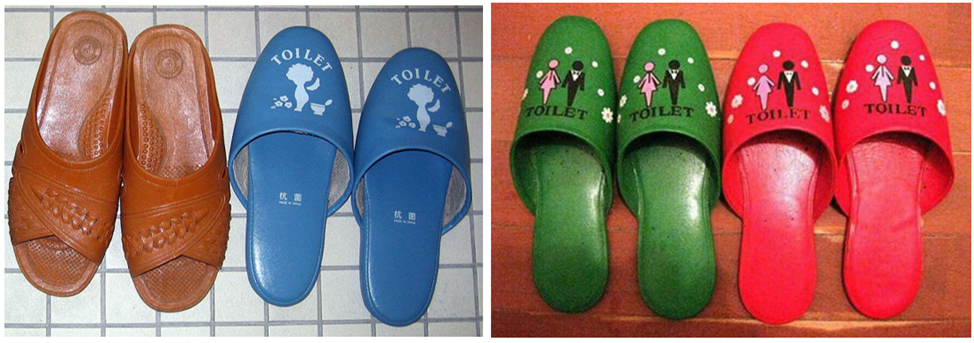
The division of shoes into street and home shoes is a normal phenomenon in people. Homemade slippers do not surprise. But the Japanese decided on another shoe division – they have toilet slippers in use. Yes, as soon as you enter the «toilet type» [ˈtɔɪlɪt] room, you need to change your shoes right away. You will definitely find slippers with the brand «toilet» on the floor. Poor people, they’ve never seen any other world but the toilet! It is believed that nothing weedy should be taken out of this room. If you suddenly forget to change your shoes or do it on purpose… The owner, noticing this, may be offended.
Вопросы
Answer the following questions:
1. What game do barefoot kids play in the yards according to the text?
2. Why would Japanese children find this game boring?
3. What is the point of the Conte game?
4. How do the Japanese believe the Conte game affects the younger generation?
5. What did the South Korean company release for those who missed playing Conte?
6. How could a player score a lot of points on the Boong‑Ga‑Boong‑Ga machine?
7. What special attribute was part of the Boong‑Ga‑Boong‑Ga slot machine?
8. What characters could a player choose on the machine to “come off to the fullest”?
9. Where is the world’s smallest escalator located, and how tall is it?
10. Why might the smallest escalator have been installed in the hypermarket in Kawasaki?
11. What makes the rabbit cafe in Tokyo unique, and what can visitors do there?
12. What unusual shoe‑related tradition do the Japanese follow? And why might the owner be offended if someone forgets to follow it?
Заключение
Дорогие ученики! Мы с вами продолжаем рубрику — чтение 8 класс. Узнаем интересные факты по всему миру. Насколько интересен и полезен был для вас материал? Если информация была для вас занимательной, подписывайтесь на нас. Оставляйте свои комментарии и пожелания, если они у вас также возникли. Предыдущий материал — чтение, юные изобретатели, Блез Паскаль. Подземный храм. Почему тайцы ставят тарелки на пол. Юные изобретатели — кто придумал шрифт для слепых. Чтение — юные изобретатели: кто придумал батут? Кто придумал снегоход? Такое необычное существо — пиявка! Дерево, украшенное ботинками. Муравьи зомби. Идиомы про учебу. Жутко ужасные — необычная семья. Самый маленький человек на свете. Загадочный круг из камней. Учимся разговаривать про окружающую среду. Ужасающий цветок.
Также смотрите — фразовые глаголы про учебу. Синонимы слова different. Синонимы say tell. Фразовые глаголы про отношения между людьми. Фразовые глаголы про технологии. Синонимы слова lazy. Английские фразы про Helloween. Фразовые глаголы про хобби. Характеристики человека-1. Синонимы слова look. Глаголы животные в английском. Идиомы с одеждой. Чтение в 8 классе — гора крестов. Как развлекаются японцы. Синонимы слова end. Фразовые глаголы про спорт. Птица, которая копирует все. Характеристики человека-2.
А также смотрите дополнительный материал: подготовка к ОГЭ — монологическое высказывание — Досуг подростков. Телевидение в нашей жизни. Место, где я живу. Поддерживать себя здоровым. Чтение книг. Про интернет. Хобби в нашей жизни. Про каникулы. Средства массовой информации. Про школу. Проблемы экологии. Про молодежь. Интернет в нашей жизни. Олимпийские игры. Наука в нашей жизни. Иностранные языки в нашей жизни. Загрязнение окружающей среды. Иностранные языки в нашей жизни. Про путешествия. Выбираем профессию. Здоровый образ жизни в еде. Про образование. Защита окружающей среды. Спорт в России. Друзья в нашей жизни. Интернет для подростков.
И до встречи на следующем занятии! See you soon!